
Please note: Wolf Lake Wilderness Lodge operates seasonally from mid-June through late August. Guests should always review the current Yukon fishing regulations and follow any guidance provided by the lodge.
A Great Season Starts With a Healthy Fishery
As August arrives, the Wolf Lake season begins moving toward its final weeks. The boats are still heading out, fish are still being landed, and guests are still returning to the lodge with stories from the water.
It is also a good time to think about what makes those experiences possible.
Great fishing depends on more than location. It depends on healthy fish populations, careful decisions, and anglers who understand that the way a fish is handled matters. That is why responsible fishing at Wolf Lake has always been an important part of the lodge experience.
The goal is simple: enjoy the fishing today while helping protect it for the anglers who will arrive tomorrow.
Catch and Release Is Part of the Wolf Lake Story
Wolf Lake Wilderness Lodge has welcomed anglers since 1978. Its remote location limits fishing pressure, but remoteness alone does not protect a fishery. Catch-and-release practices also play a major role.
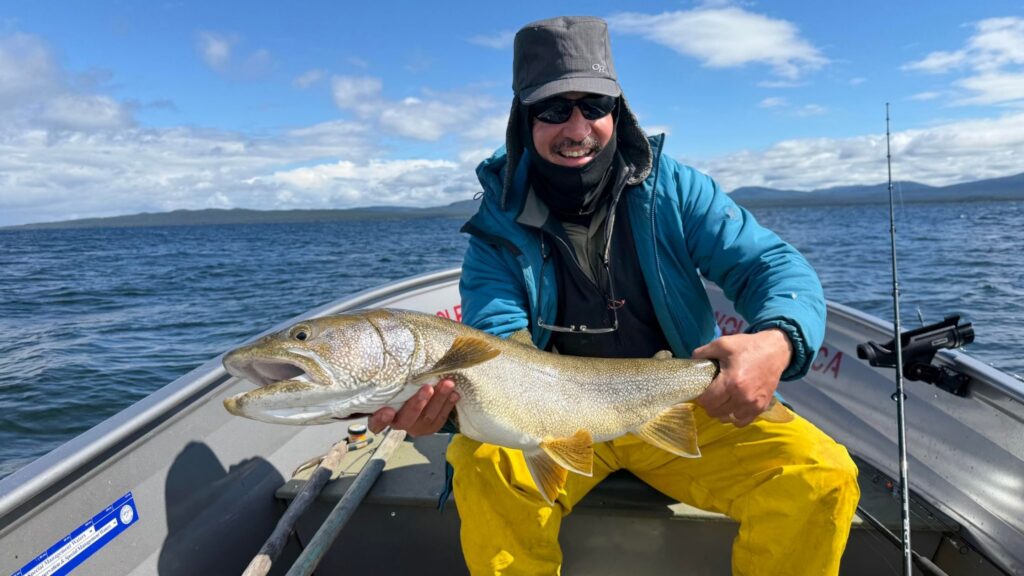
Wolf Lake is known for lake trout, including fish that have spent many years growing in cold northern water. Releasing those fish gives them the chance to remain part of the lake’s population and helps preserve the quality of the fishing experience.
A release should never feel like losing the catch. Landing a strong lake trout, taking a quick photograph, and watching it swim away can be one of the best moments of the trip.
The fish continues its life in the lake, and the angler carries home the memory.
Why Yukon Lake Trout Deserve Care
Lake trout are well suited to northern waters, but they do not grow quickly. In Yukon lakes, they can live for several decades and may take many years to reach reproductive age.
That changes how we should think about a large fish.
A heavy lake trout is not simply a bigger version of a young fish. It may represent decades of survival through seasonal changes, changing food sources, and past encounters with anglers. Releasing that fish gives it the opportunity to keep contributing to the population.
This is one reason responsible fishing at Wolf Lake matters so much. The decisions made during a few minutes at the side of the boat can affect a fish that has been part of the lake for years.
Good Handling Begins Before the Fish Reaches the Boat
A successful release starts before anyone touches the fish.
Using tackle suited to the species helps anglers land fish without drawing out the fight. A long fight can leave a fish exhausted, so the goal is to bring it under control without rushing or placing unnecessary strain on it.
The landing area should also be ready. Clear loose equipment from the floor, keep the net within reach, and decide who will manage the rod and who will handle the fish.
When everyone knows what they are doing, the release becomes quicker and calmer.
Guests can learn more about the lodge’s boats and on-water setup through the Boats and Tackle page.
Keep the Fish Wet
One of the most useful catch-and-release principles is also one of the simplest: keep the fish in the water whenever possible.
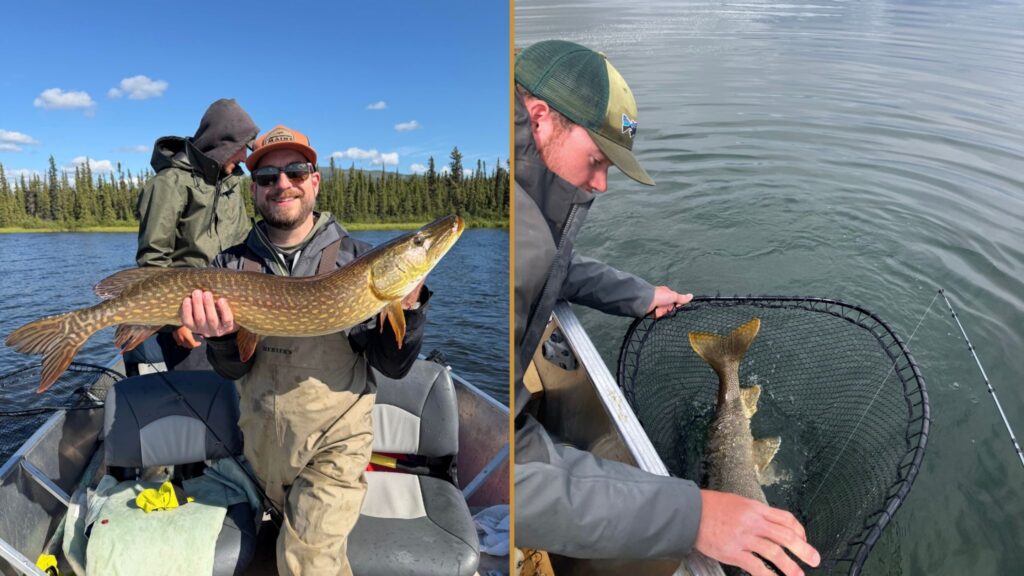
Water supports the fish’s body and allows it to breathe while the hook is being removed. A fish resting in a suitable landing net beside the boat is generally in a better position than one placed on a seat, floor, or dry surface.
When handling is necessary:
- Wet your hands first.
- Avoid touching the eyes or gills.
- Support the fish beneath the body.
- Do not hold a large fish vertically by the jaw.
- Keep it close to the water.
- Return it promptly after the photograph.
These steps are not complicated, but together they can reduce stress on the fish.
Have the Camera Ready
Photographs are an important part of a fishing trip. The key is to prepare before lifting the fish.
Choose the photographer, open the camera, and frame the shot while the fish remains in the water. Once everything is ready, lift the fish with both hands, take the photograph, and return it to the water.
This keeps the moment efficient without taking away from it.
A good fishing photograph does not require several minutes or a long series of poses. The fish, the angler, and Wolf Lake already provide everything the image needs.
A Strong Release Is Worth Watching
When the fish returns to the water, support it gently and give it time to regain its balance. Keep its head facing into clean water so water can move across the gills.
Avoid pushing the fish back and forth. A calm hold is usually enough while it gathers its strength.
The release is complete when the fish swims away under its own power.
That final moment is worth watching. It is the point where the catch becomes part of something larger than the photograph.
Regulations Are the Starting Point
Responsible angling also means knowing the rules before heading onto the water.
Fishing regulations can change, and requirements may vary by species or location. Anglers should review the current Yukon fishing regulations before travelling and ask the lodge team about any questions they have.
Regulations establish the legal standard. Good judgement goes one step further.
An angler may be permitted to retain a fish, but the decision should still consider size, condition, trip needs, and the value of returning that fish to the lake. When fish are retained within the rules, they should be treated with respect and used responsibly.
Low Fishing Pressure Still Requires Good Choices
Wolf Lake’s fly-in location and limited number of guests help reduce fishing pressure. There are no highways leading to the shoreline and no busy public launch feeding boats onto the lake.
That is an advantage, but it does not remove the need for care.
Even a remote fishery benefits from quick releases, careful handling, and anglers who listen to the lodge team. Protecting the water is a shared responsibility, whether a lake sees hundreds of boats or only a few.
This balance is at the heart of responsible fishing at Wolf Lake. Guests can enjoy serious fishing while respecting the resource that makes the trip possible.
What Guests Can Do
Responsible fishing does not require complicated equipment or expert knowledge. It starts with a few habits:
- Review the regulations before the trip.
- Ask the lodge team what practices they recommend.
- Use suitable tackle to avoid prolonged fights.
- Prepare the net and camera before landing the fish.
- Keep the fish wet as much as possible.
- Handle it with wet hands and support its body.
- Release it as soon as it is ready.
These choices quickly become part of the rhythm of the day. They also set a good example for new anglers and younger guests.
Looking Beyond the Final Weeks of Summer
The end of a season always arrives faster than expected. Soon, the final guests will depart, the boats will come in, and Wolf Lake will return to its off-season quiet.
The fishery continues long after the lodge closes.
Lake trout will move through the water, seasonal conditions will change, and the lake will carry on until the next group of anglers arrives. The choices made during the summer help shape what those future guests will experience.
That is the value of responsible angling. It connects one season to the next.
Final Thought
The best fishing memories are not measured only by the size of the fish. They are also found in how the moment was handled.
A powerful strike. A careful landing. A quick photograph. A lake trout disappearing beneath the surface.
At Wolf Lake, protecting the catch is part of respecting the experience. It helps ensure that this remarkable fishery remains ready to challenge, surprise, and reward anglers for years to come.
To learn more about fishing at Wolf Lake, visit the Fishing page. For future dates and availability, view Rates and Dates or contact Wolf Lake Wilderness Lodge.